A restaurant reported that its front hand sink kept dripping even when the water was turned off. The completed commercial plumbing visit on October 12, 2026 ended with a specific field test: the technician ran the faucet after the work and recorded that it no longer dripped.
This case follows one location and one completed repair. It shows the connection between the customer's reported condition, the work performed and the result recorded for the facilities team.
The reported problem
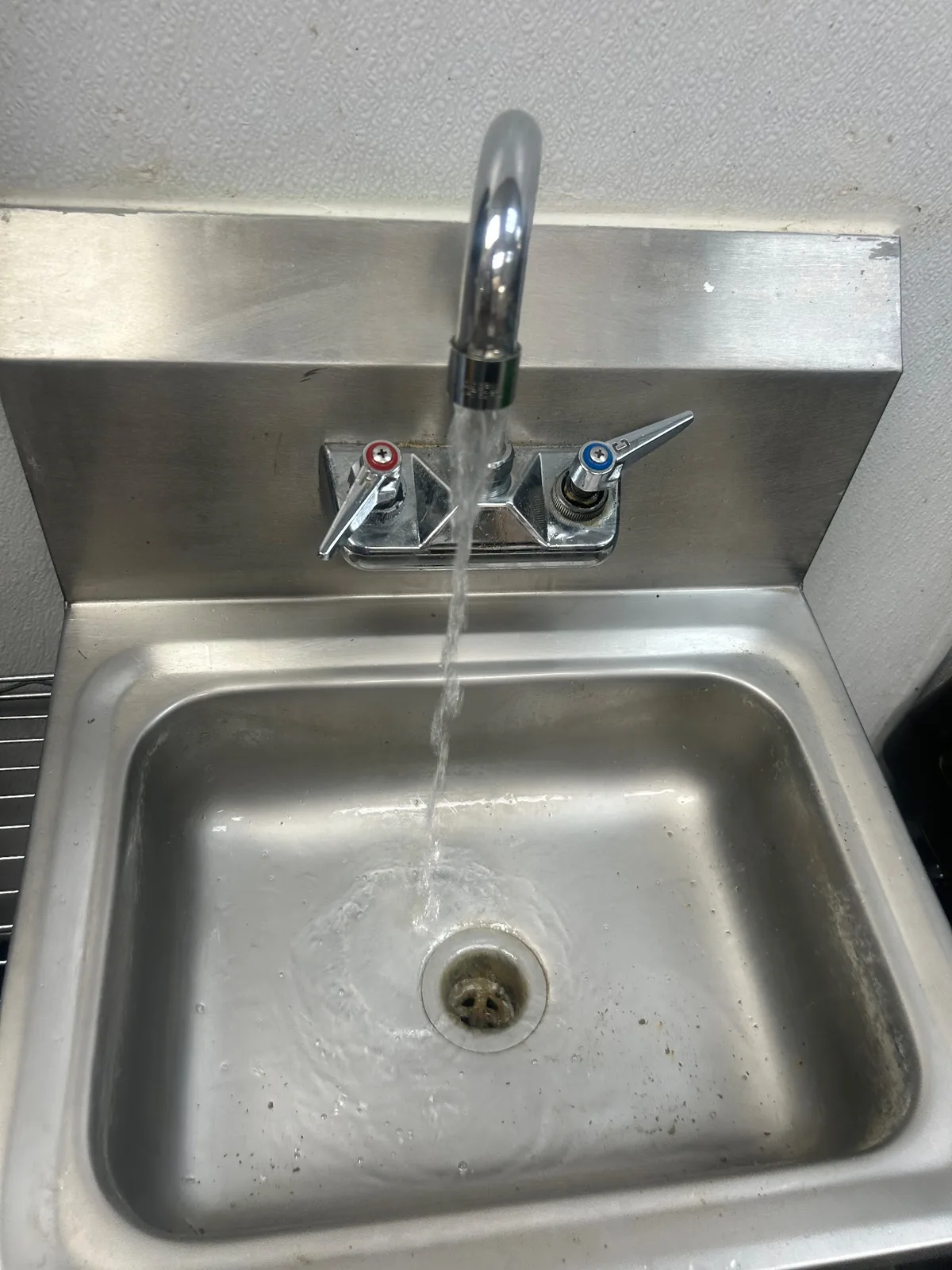
The service request identified a hand sink that dripped with the handles in the off position. On arrival, the technician checked in with management and confirmed a very slow drip. That observation gave the visit a defined starting point: inspect the fixture and address the reported condition.
The completed plumbing work
The saved service note describes buildup around the handles and cartridges. The technician cleaned the accumulated material and the affected components. The report records cleaning the existing components; it does not describe installing a replacement faucet.
After the work, the technician tested the faucet, observed no drip, cleaned the work area and showed management the result before checking out. That is the documented outcome of this visit.
How MIQ kept the handoff connected
The MIQ work order keeps the original hand-sink request beside the assigned visit, check-in and check-out records, technician report, visit photographs and customer acknowledgment. The field history records the note and file uploads as part of the job's saved activity.
That connected record gives the office a way to review what was reported, what the technician actually did and what was checked at completion. The current job stage is ready for billing; field completion and the financial closeout remain separate steps.
The broader MIQ service-job workflow explains how those records connect across plumbing, electrical and handyman work.
The useful closeout question
A facilities team needs more than a completed label. Here, the useful detail is the test result after the cleaning: the faucet was checked and did not drip at that time. If a later request concerns the same fixture, that service history gives the next reviewer a clear record to compare with the new observation.
Explore commercial plumbing maintenance for the service context, or use the repair closeout checklist to organize a completed work record.
What to retain from a faucet service visit
- The exact fixture and the reported condition with its handles off.
- The components cleaned or replaced, stated separately.
- The operating test, result, visit date and management review.
Based on saved service notes and linked work-order records. Customer names, exact locations and commercial terms are omitted.