
A retail store reported that a panel had fallen from its cashwrap. During the October 19, 2026 visit, management identified two fallen panels. The technician reattached both with adhesive, showed the completed work to management and recorded the visit sign-off.
This commercial handyman case is a small repair with a concrete closeout. The scope was the detached panels at one location, and the saved service report identifies what was done to address them.
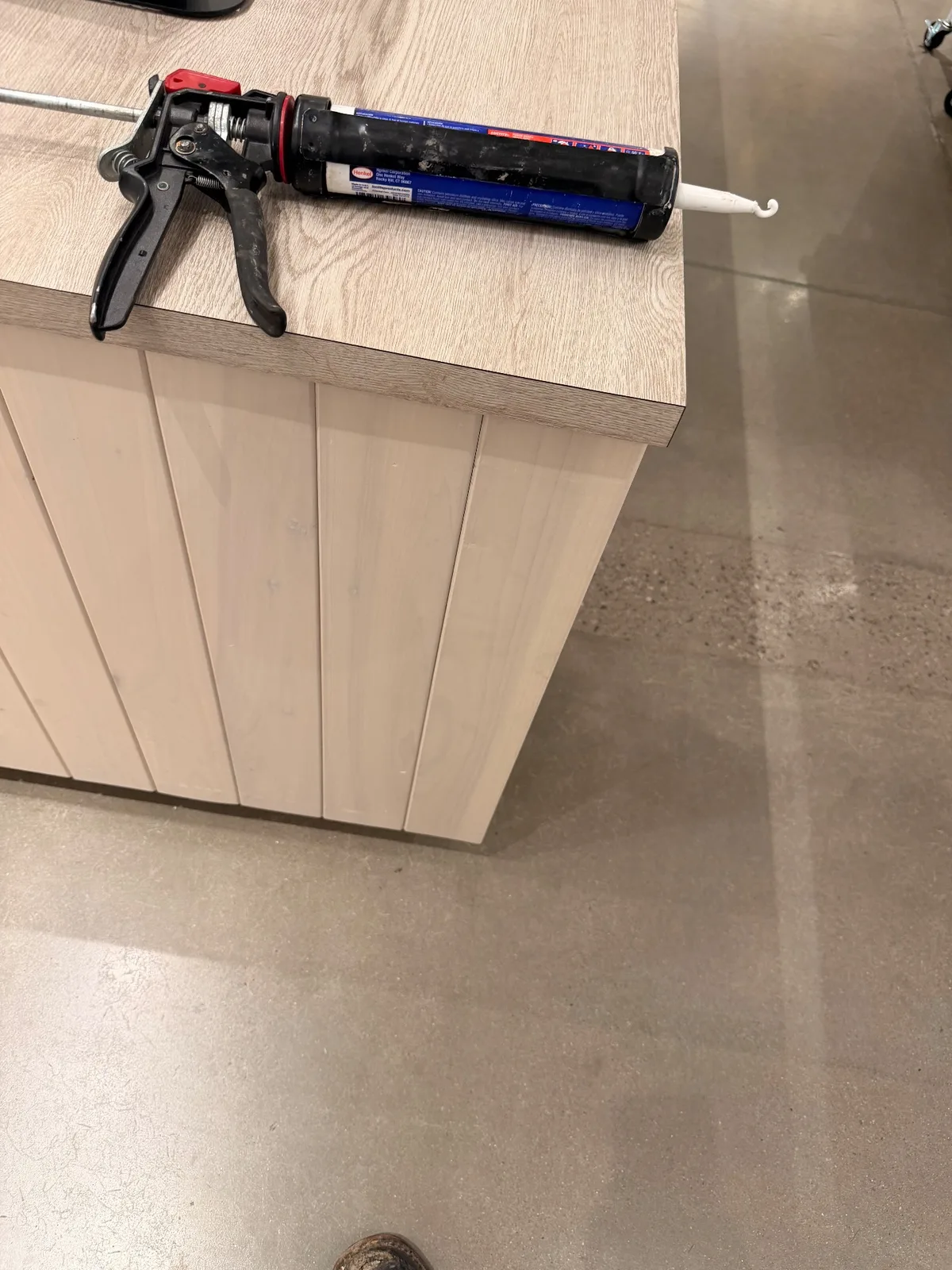
Confirming the condition on site
The original service request gave the team a starting description. The technician then checked in with management and confirmed the specific panels needing attention. Keeping those two stages connected helps preserve the difference between an initial report and the condition identified during the visit.
The completed handyman work
The technician obtained adhesive and reattached the two fallen panels. The service note records management verification and sign-off before checkout.
The result documented for this visit is the reattachment of the two panels and management review of that work.
How MIQ connected the request and the result
The MIQ job contains the customer request, assigned visit, check-in and check-out times, technician note, saved photographs and customer acknowledgment. Its current stage is complete and ready for billing.
Those records let the office follow the same repair from the reported issue to the visit and the field closeout. The service note explains the performed work; the status gives its current operating stage. Both are useful, and they serve different purposes.
Our MIQ workflow case study shows how the same operating record supports plumbing, electrical and handyman handoffs.
What makes a small repair useful to document
A concise closeout should still identify the defect, the work performed and the review at the end of the visit. That is particularly helpful when a store fixture contains several similar panels and a later question needs to identify which ones were addressed.
Explore commercial handyman services for the service context, and the commercial repair closeout checklist for a practical documentation guide.
A useful fixture-repair record
- Identify the affected panels so a later request can be matched to the same area.
- Record the material and repair performed, plus the number of panels addressed.
- Keep the visit photographs and management review with the service note.
Based on saved service notes and linked work-order records. Customer names, exact locations and commercial terms are omitted.